
Are you ready to embark on an exciting journey to find your dream home? Navigating the evolving real estate market can be daunting, but with the right knowledge and tools, you can discover the perfect new home near you. Whether you’re drawn to the hustle and bustle of urban living or the tranquility of the suburbs, this guide will illuminate the path to your ideal property.
In today’s fast-paced world, understanding market trends, financing options, and innovative home designs is crucial. From the influence of interest rates to the role of eco-friendly architecture, we’ll explore every facet of new home buying. Prepare to be inspired and informed as we delve into what makes a property truly irresistible.
Understanding Current Market Trends in New Home Purchases
The real estate market is a dynamic landscape, constantly evolving with economic shifts and consumer preferences. Navigating through the recent changes can offer valuable insights into the opportunities and challenges of purchasing new homes today.
The real estate sector has witnessed significant transformations in recent times, driven by fluctuating interest rates, changing demographics, and evolving consumer expectations. Staying informed about these trends is crucial for anyone looking to find their dream property.
Recent Changes in the Real Estate Market
Over the past few years, the real estate market has experienced a paradigm shift. Urban areas, once the epicenters of housing demand, are seeing a migration towards suburban and rural areas, influenced by the rise of remote work and the desire for more spacious living environments. The pandemic has redefined what homebuyers consider essential, leading to an increased demand for homes with offices, larger kitchens, and outdoor spaces.
Analysis of Housing Demand and Supply
The law of supply and demand plays a crucial role in shaping the real estate landscape. Currently, there is a tight inventory of homes, leading to competitive bidding and higher prices in many regions. Despite the high demand, construction delays and labor shortages have slowed the growth of new home supply, creating a challenging environment for potential buyers.
Here’s a snapshot of the current demand and supply dynamics:
- High demand in suburban and rural markets.
- Limited supply due to construction delays.
- Increasing prices due to competitive bidding.
Impact of Interest Rates on Purchasing New Homes
Interest rates are a pivotal factor in real estate affordability. Recently, fluctuations in interest rates have impacted buyers’ purchasing power. When rates are low, buyers can afford more expensive homes or enjoy lower monthly payments, while higher rates tend to dampen buying enthusiasm. As one expert noted,
“Interest rates can make or break a buyer’s decision in today’s volatile market.”
Monitoring interest rates is essential for strategic decision-making, as even minor changes can significantly affect long-term financial commitments.
Key Factors Influencing Buyer Preferences
Understanding what drives today’s buyers is crucial for sellers and real estate professionals. Modern buyers are more informed and have specific expectations. The preference for energy-efficient homes, smart technology integrations, and sustainable building materials is becoming more prevalent. Additionally, location remains a decisive factor, with proximity to amenities, schools, and work influencing decisions significantly.
In summary, the real estate market is evolving rapidly, shaped by diverse economic and social factors. Staying abreast of these changes can empower potential buyers to make informed decisions, ensuring they find a property that not only meets their needs but also aligns with the trends of today’s market.
Key Considerations When Searching for New Homes Near Me
Embarking on the journey to find a new home can be both exhilarating and overwhelming. Let’s delve into the critical factors that can transform your search into a rewarding venture.
From the bustling streets of urban centers to the peaceful landscapes of the suburbs, the location of your new home significantly impacts your lifestyle and future financial investment. Understanding the nuances of each area will guide you closer to your dream property.
The Significance of Location in Home Searches
Location is not just a pin on a map; it’s the heartbeat of your future home. The right location offers a balance between convenience and lifestyle preferences. Consider proximity to work, schools, and essential services. A prime location could enhance the value of your property over time, making it a wise investment.
Evaluating Neighborhood Amenities and Facilities
When selecting a new home, the surrounding amenities can significantly influence your quality of life. Access to parks, gyms, shopping centers, and healthcare facilities adds layers of convenience and enjoyment. Delve into the neighborhood’s offerings and think about both current and future needs to ensure your chosen area can support your lifestyle.
Suburban vs. Urban Living: A Comparative Outlook
The choice between suburban and urban living is a personal decision based on lifestyle and priorities. To assist in this decision, consider the following comparison:
| Aspect | Suburban Living | Urban Living |
|---|---|---|
| Space and Privacy | Generally more space and privacy | Limited space but access to vibrant city life |
| Amenities | Fewer amenities but often more peaceful | Abundant amenities and cultural attractions |
| Transportation | May require a car for commuting | Public transport is often more accessible |
Checklist for Evaluating the Potential of New Homes
Before making a decision, use this checklist to assess the potential of your prospective new home thoroughly:
- Location: Is it close to work, schools, and essential services?
- Neighborhood: What is the condition and future potential of the neighborhood?
- Amenities: Are there parks, shops, and healthcare facilities nearby?
- Transportation: Check the availability of public transport and road access.
- Future Growth: Consider the area’s planned developments and economic growth.
“Choosing the right home is an investment in your future; make it a choice you cherish every day.”
Financing Options for Purchasing New Properties
Diving into the world of home ownership brings a blend of excitement and decisions. One of the most pivotal aspects is understanding the financing options available and how to navigate them to your advantage.
Whether you’re a first-time buyer or an experienced investor, knowing your financing options can make the difference between a good investment and a great one.
Understanding Mortgage Types for New Homes
The journey to your dream home begins with selecting the right mortgage. The two most common mortgage types – fixed-rate and adjustable-rate mortgages (ARMs) – each offer unique advantages.
| Mortgage Type | Features |
|---|---|
| Fixed-Rate Mortgage | Stable interest rate and consistent monthly payments for the life of the loan. |
| Adjustable-Rate Mortgage (ARM) | Lower initial rates that adjust over time, potentially saving money if you plan to move or refinance before the rate adjusts. |
Qualifying for Home Loans in Today’s Market
In today’s real estate landscape, qualifying for a home loan requires careful preparation and attention to detail. Lenders look at a variety of factors, including your credit score, debt-to-income ratio, and employment history.
- Maintain a good credit score by paying off debts on time.
- Ensure your debt-to-income ratio is below 43%.
- Have a stable source of income and employment for at least two years.
Incentives from Developers for New Home Buyers
Developers often provide attractive incentives to lure buyers, making new homes more accessible. Such offers can significantly reduce upfront costs and overall expenses.
- Reduced Closing Costs: Some builders cover a portion or all of the closing costs, easing the financial burden on buyers.
- Free Upgrades: Developers might offer design upgrades at no extra cost, allowing you to customize your home with premium finishes.
- Interest Rate Buy-down: Temporary reduction in mortgage interest rates, making monthly payments more affordable initially.
Steps to Secure Financing for a New Home Purchase
Once you’ve identified the perfect property, securing financing is the next crucial step. Here’s a streamlined process to guide you:
- Check your credit report and improve your score if needed.
- Gather essential documents like proof of income, tax returns, and bank statements.
- Get pre-approved for a mortgage to understand your budget.
- Shop around for the best mortgage rates and terms.
- Submit a formal application with your chosen lender.
- Await the underwriting process where your financials are verified.
- Once approved, close on your loan and start the journey in your new home!
“Securing the right financing option is like setting a solid foundation for your dream home – it supports everything you build upon it.”
Innovative Home Design Trends in New Construction
The world of home design is constantly evolving, presenting new and exciting opportunities for those seeking to create their dream living space. Today’s new construction homes are embracing cutting-edge trends that redefine how we think about comfort, aesthetics, and functionality.
As we delve into these trends, it’s clear that homebuyers are prioritizing features that not only enhance daily living but also pave the way for a sustainable future. Let’s explore the architectural innovations that are shaping the landscape of new homes.
Architectural Styles Revolutionizing Modern Homes
In the realm of architecture, minimalism and open-concept living are taking center stage. These styles focus on creating spaces that are both inviting and practical. High ceilings, expansive windows, and flexible floor plans contribute to a sense of openness and flow, making homes feel more spacious and light.
| Feature | Benefit |
|---|---|
| Open-Concept Layout | Facilitates social interaction and maximizes space utilization |
| Minimalist Design | Reduces clutter, contributing to a serene environment |
| Large Windows | Enhance natural light and offer expansive views |
Sustainable and Eco-Friendly Home Designs
Today’s buyers are increasingly eco-conscious, making sustainable design a key trend in new construction. Homes built with eco-friendly materials, energy-efficient systems, and renewable energy sources are not only better for the planet but also offer long-term financial savings. As the saying goes, “
Green is the new gold
,” and homebuilders are taking this to heart by integrating features such as solar panels, rainwater harvesting systems, and high-performance insulation.
Smart Technology Integration in New Homes
The integration of smart home technology is no longer a luxury but a necessity in new constructions. With the ability to control various home systems remotely, such as lighting, security, and climate control, homeowners are experiencing unprecedented levels of convenience and security. Not only does this technology add a layer of sophistication, but it also increases energy efficiency, allowing homeowners to monitor and manage their energy usage with ease.
Incorporating these trends into new homes not only enhances their value but also ensures that they meet the lifestyle needs of contemporary buyers. As these innovations gain traction, they are setting the benchmark for what modern home living should embody.
The Role of Real Estate Agents in New Home Buying
Embarking on the journey to find your dream home can be both exhilarating and daunting. This is where the expertise of a real estate agent comes into play, transforming the complex process into a seamless experience.
Real estate agents are your allies in the competitive housing market, offering a wealth of knowledge and negotiating skills that can make all the difference. Their guidance ensures you’re not just buying a house, but finding a home that fits your needs and aspirations perfectly.
Benefits of Using a Real Estate Agent
When it comes to purchasing a new home, the advantages of having a real estate agent by your side are numerous. Not only do they provide expertise in market trends and property evaluations, but they also manage the legal paperwork, saving you time and potential headaches. With an agent, you gain access to a broader range of property listings, some of which may not be available to the general public.
- Expert market knowledge
- Assistance with legal documents
- Access to exclusive property listings
- Skilled negotiation tactics
- Professional network and resources
Responsibilities of a Real Estate Agent in Home Buying
Your real estate agent is more than just a guide; they are the architect of your home-buying journey. From initial consultation to closing, their responsibilities include:
- Conducting comprehensive property searches based on your preferences.
- Providing insights and advice on neighborhoods and market conditions.
- Arranging and attending property viewings.
- Negotiating offers and counteroffers with sellers.
- Ensuring all paperwork is completed accurately and promptly.
Key Questions When Choosing a Real Estate Agent
Choosing the right real estate agent is crucial to making your home buying experience successful. Here are some essential questions to ask:
- What is your experience with new home purchases?
- How familiar are you with the local market?
- Can you provide references from past clients?
- What is your fee structure?
- How do you handle negotiations and potential conflicts?
DIY Buying vs. Agent-Assisted Purchases
While going solo in home buying might seem appealing for those seeking control and independence, it’s essential to consider the complexities involved. Here’s a quick comparison:
| Aspect | DIY Buying | Agent-Assisted Purchase |
|---|---|---|
| Market Knowledge | Limited to personal research | Extensive, professional insights |
| Time Investment | High, with potential for oversights | More efficient and streamlined |
| Negotiation Skills | Varies by individual | Experienced and strategic |
| Cost | Potentially lower, but riskier | Agent fees apply, but often offset by savings and benefits |
“Having a professional real estate agent is like having a guide through a maze; they can see the pitfalls and steer you clear of them.”
Long-term Value and Resale Potential of New Homes
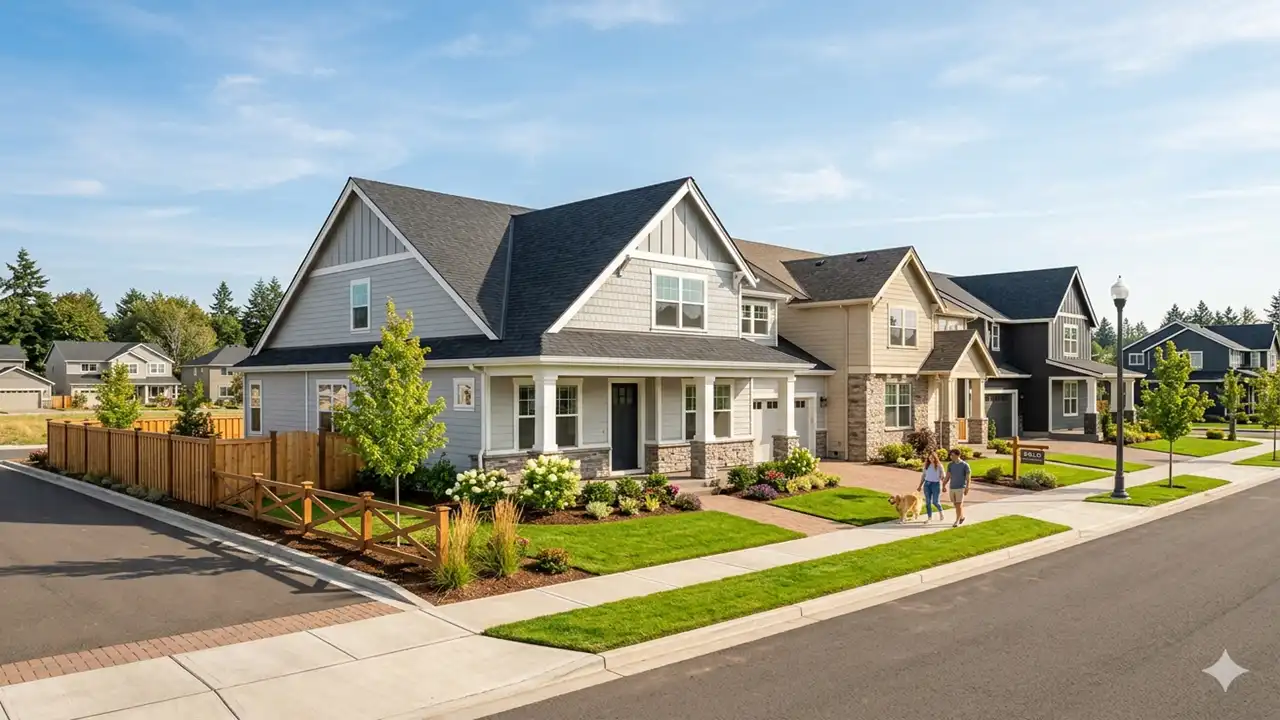
Investing in a new home is not just about finding a place to live today; it’s about securing a bright financial future. Understanding the factors that contribute to the long-term value and resale potential of your property can transform your investment into a lucrative asset.
From the strategic selection of location to the careful upkeep of your property, numerous elements come into play when determining how well your home will hold its value over the years. Let’s delve into these essential components, ensuring your new home is a wise investment for the future.
Factors Influencing Resale Value of New Homes
One of the most critical aspects affecting the resale value of new homes is location. A property in a thriving area with robust infrastructure, good schools, and convenient amenities is likely to appreciate more significantly. Additionally, market conditions such as interest rates and economic growth play a crucial role in property appreciation.
Homebuyers should consider not only the current state of the property market but also anticipate future developments and transformations in the area. A neighborhood on the verge of development can offer substantial increases in value over time.
Market Conditions and Property Appreciation
Market conditions are dynamic, and their fluctuations can significantly impact the appreciation of property values. In times of economic prosperity, real estate generally sees an uptick in value, whereas economic downturns may stall growth. Keeping an eye on economic indicators and real estate trends can offer valuable insights into potential value appreciation.
Smart investors buy not for today, but for tomorrow’s potential.
Maintenance Tips for Preserving Home Value
Regular maintenance is vital in ensuring your new home retains its value over time. Proper upkeep can prevent costly repairs and keep your home in pristine condition, attractive to future buyers.
| Area | Maintenance Tip |
|---|---|
| Roof | Inspect for leaks and clean gutters regularly. |
| Exterior | Repaint and repair siding as needed to prevent water damage. |
| HVAC | Service annually to ensure efficient operation. |
| Landscaping | Trim trees and maintain gardens to enhance curb appeal. |
The Importance of Location and Local Developments
The importance of location cannot be overstated when considering the resale potential of a new home. Properties situated in areas with burgeoning commercial and residential developments tend to appreciate faster than those in stagnant zones.
Stay informed about upcoming projects and community plans, such as new parks, shopping centers, or public transport expansions, as these can dramatically increase property values. A keen awareness of the neighborhood’s trajectory can empower you to make smarter, future-focused real estate decisions.
Final Thoughts
Finding your dream home is more than just a purchase—it’s a transformative experience that can shape your future. By understanding the market dynamics and aligning them with your unique preferences, you’ll secure a property that not only meets your needs but also enriches your lifestyle. As you embark on this exciting adventure, remember: the perfect home isn’t just about walls and roofs; it’s about creating a haven where memories are made and dreams flourish.

