
Imagine waking up each morning in the home of your dreams, nestled in the perfect neighborhood that suits your lifestyle. The journey to finding such a home is an adventure filled with discovery, excitement, and the promise of a new beginning. Whether you’re drawn to the bustling energy of urban living or the tranquil charm of the suburbs, the real estate market is brimming with opportunities waiting to be explored.
Delving into the real estate market can be both exhilarating and daunting. With a myriad of options and factors to consider, making informed decisions is paramount. But fear not! This guide is your compass, designed to navigate the intricate landscape of home buying with ease and confidence. Let us show you the way to your perfect home—one that not only meets your needs but exceeds your wildest dreams.
Understanding the Real Estate Market
Delving into the complexities of the real estate market can feel like unearthing a treasure chest full of potential opportunities and hidden gems. Whether you’re a seasoned investor or a first-time homebuyer, understanding the dynamics at play is crucial in making informed decisions.
Several elements come into play when determining property prices across different locales. From economic factors to individual preferences, these components collectively shape the real estate landscape.
Influence of Neighborhood Factors on Property Prices
Property prices are not determined in isolation; they are a result of a confluence of factors specific to each neighborhood. Proximity to amenities, quality of local schools, and crime rates all significantly influence the attractiveness—and hence the price—of homes in an area. Additionally, cultural vibrancy and the availability of public transport enhance a neighborhood’s appeal. A neighborhood bustling with restaurants, parks, and retail shops tends to command higher property values.
Urban vs. Suburban Home Buying Trends
The choice between urban and suburban living remains a classic real estate dilemma. Each offers distinct lifestyles and advantages that should be weighed carefully.
| Aspect | Urban | Suburban |
|---|---|---|
| Price | Typically higher | Generally more affordable |
| Space | Limited | More spacious |
| Commute | Shorter | Longer |
| Amenities | Abundant | Limited but accessible |
Urban areas tend to attract those seeking a fast-paced lifestyle with diverse conveniences at their fingertips, whereas suburban neighborhoods appeal to families desiring more space and tranquility.
Role of Economic Indicators in Predicting Market Shifts
The real estate market is inextricably linked to broader economic trends. Key indicators such as interest rates, employment rates, and GDP growth are pivotal in forecasting market shifts. When interest rates are low, borrowing is cheaper, often spurring demand and driving up prices. Conversely, higher interest rates may dampen purchasing power, causing price adjustments. Observing these indicators can provide foresight into potential market directions.
Desirable Neighborhood Features for Homebuyers
What truly makes a neighborhood desirable for potential homebuyers goes beyond just numbers and data. It’s the intangible sense of community and belonging that often seals the deal. Homes in neighborhoods that exude friendliness, safety, and a sense of vibrancy tend to be more sought after.
“A home is where the heart is, but the heart desires a community.”
Buyers look for areas with a strong community spirit, active neighborhood associations, and events that bring residents together.
Steps to Buying a Home
Embarking on the journey to buy a home can feel like a grand adventure. It’s a path filled with excitement, opportunity, and important decisions. To guide you through this journey, here are some essential steps to help you secure your dream home.
The home-buying process can be complex, but understanding each phase will help you move forward with confidence. From securing a mortgage to making an offer, each step is crucial in turning your homeownership dream into reality.
Securing a Mortgage and Pre-approval
Before you begin house hunting, it’s essential to get pre-approved for a mortgage. This not only sets a budget but also shows sellers you’re a serious buyer.
- Research Lenders: Compare rates and services from various lenders to find the best fit for your needs.
- Gather Financial Documents: Be prepared with income statements, tax returns, and credit reports.
- Apply for Pre-approval: Submit your documents and await the lender’s decision.
- Receive Pre-approval Letter: This letter strengthens your position in negotiations, showing sellers you have financing ready.
Making an Offer on a House
Once you’ve found the perfect home, it’s time to make an offer. Crafting a competitive offer involves more than just settling on a price.
- Determine Your Offer Price: Consider the home’s value, market conditions, and your budget.
- Include Contingencies: Common contingencies include financing, inspection, and appraisal conditions.
- Submit the Offer: Your real estate agent will present your offer to the seller.
- Negotiate if Necessary: Be prepared for counteroffers and know your limits.
- Finalize the Agreement: Once accepted, you’ll sign the purchase agreement.
Conducting a Home Inspection
A home inspection is a critical step that uncovers potential issues and ensures your new home is a sound investment. Here’s how to navigate this process:
- Hire a Certified Inspector: Choose a professional with excellent reviews and credentials.
- Attend the Inspection: Being present allows you to ask questions and get firsthand insights.
- Review the Inspection Report: Examine the detailed findings for any red flags.
- Negotiate Repairs: Use the report to negotiate necessary repairs or a price reduction.
- Confirm Repairs: Ensure agreed-upon repairs are completed before closing.
Designing a Home-buying Timeline
Understanding the timeline for buying a home helps set realistic expectations and keeps you organized. Here’s a typical timeline to guide you:
| Phase | Duration |
|---|---|
| Mortgage Pre-approval | 1-2 weeks |
| House Hunting | 4-8 weeks |
| Making an Offer | 1 week |
| Home Inspection and Negotiations | 1-2 weeks |
| Closing Process | 4-6 weeks |
“Patience and preparation are your best allies in the home-buying process.”
Types of Homes Available
Embarking on the journey to find your dream home is a thrilling adventure, brimming with possibilities. From the cozy confines of a condominium to the sprawling expanse of a single-family home, the options are as diverse as they are exciting.
Understanding the different types of homes available is essential to making an informed decision. Each type of home offers unique benefits and potential drawbacks which cater to varying lifestyle needs.
Benefits and Drawbacks of Different Types of Homes
Choosing the right type of home involves weighing the pros and cons of each option. Let’s explore some popular choices:
- Single-Family Homes: Known for privacy and space, these homes are ideal for families. However, they come with the responsibility of maintenance and higher costs.
- Condominiums: Offer amenities and are typically more affordable. On the downside, there are HOA fees and less privacy.
- Townhouses: These offer a blend of both, with a sense of community and some private space, but can still incur HOA fees.
Architectural Styles in Homes for Sale
The architectural style of a home can express personal taste and enhance lifestyle quality. Here are some common styles:
- Colonial: Traditional and symmetrical, often with brick or wood siding.
- Modern: Characterized by clean lines and open spaces, focusing on simplicity.
- Ranch: Single-story, practical, with an open concept layout.
Comparing Square Footage, Price, and Location
When comparing homes, key factors such as square footage, price, and location play a crucial role. Here’s a quick comparison to guide your decision:
| Type of Home | Square Footage | Average Price | Typical Locations |
|---|---|---|---|
| Single-Family | 1,800 – 3,000 sq ft | $300,000 – $600,000 | Suburban Areas |
| Condominium | 600 – 1,200 sq ft | $200,000 – $400,000 | Urban Centers |
| Townhouse | 1,200 – 2,400 sq ft | $250,000 – $500,000 | Suburban and Urban |
Identifying the Best Type of Home for Different Lifestyles
The perfect home varies from person to person, depending on lifestyle nuances.
For those seeking tranquility and space for family activities, a single-family home might be the best fit. Meanwhile, a bustling city life might find its match in a modern condominium.
A good starting point is to assess your priorities: Is proximity to work important? Do you need a yard? Do you value low-maintenance living? By answering these questions, you can narrow down the best type of home that will cater to your unique way of living.
Financing and Budgeting for a Home Purchase
Diving into the world of home buying is thrilling, but it requires a keen sense of financial awareness. Understanding how to finance your dream home is crucial to making your homeownership dreams a reality.
With the right strategies and knowledge, budgeting for a home doesn’t have to be daunting. From determining how much home you can afford to exploring your mortgage options, we’re here to guide you through the financial maze.
Determining a Realistic Home-Buying Budget
Setting a realistic home-buying budget is the cornerstone of your homeownership journey. Begin by evaluating your monthly income and expenses. Consider using the 28/36 rule—a guideline suggesting that no more than 28% of your gross monthly income should be spent on housing costs, and no more than 36% on total debt, including your mortgage.
Additionally, don’t forget to factor in potential costs such as property taxes, homeowners insurance, and maintenance expenses.
“A well-structured budget is the foundation of a wise home purchase.”
The Different Types of Mortgages Available
Choosing the right mortgage is pivotal. Several types are available, each suited to various financial situations and goals. Here are a few:
- Fixed-rate mortgages: These offer a stable interest rate over the life of the loan, providing predictable monthly payments.
- Adjustable-rate mortgages (ARMs): Start with a lower rate that may change over time, which can be beneficial if you plan to move before the rate adjusts.
- FHA loans: Backed by the government, these are ideal for first-time buyers with lower credit scores.
- VA loans: Available to veterans and service members, offering competitive rates without needing a down payment.
Strategies for Saving for a Down Payment
Saving for a down payment is a major step towards owning your home. Start by setting up a dedicated savings account for your home fund. Automate weekly or monthly deposits to build your savings consistently.
Cut back on discretionary spending and consider boosting your income with side gigs or freelance work. Every little bit helps!
Potential Additional Costs Homeowners Should Anticipate
While the mortgage is the largest expense, homeowners should anticipate other costs. Here’s a table to help visualize additional expenses:
| Expense | Description |
|---|---|
| Closing Costs | Fees paid at the end of the home-buying process, typically 2-5% of the loan amount. |
| Home Inspection | A crucial step to identify potential issues, usually costing a few hundred dollars. |
| Property Taxes | Annual taxes based on the assessed value of your home. |
| Homeowners Insurance | Protects your home from damages or liabilities, often required by lenders. |
| Maintenance | Routine upkeep and unexpected repairs, which can add up over time. |
Finding Homes for Sale Near You
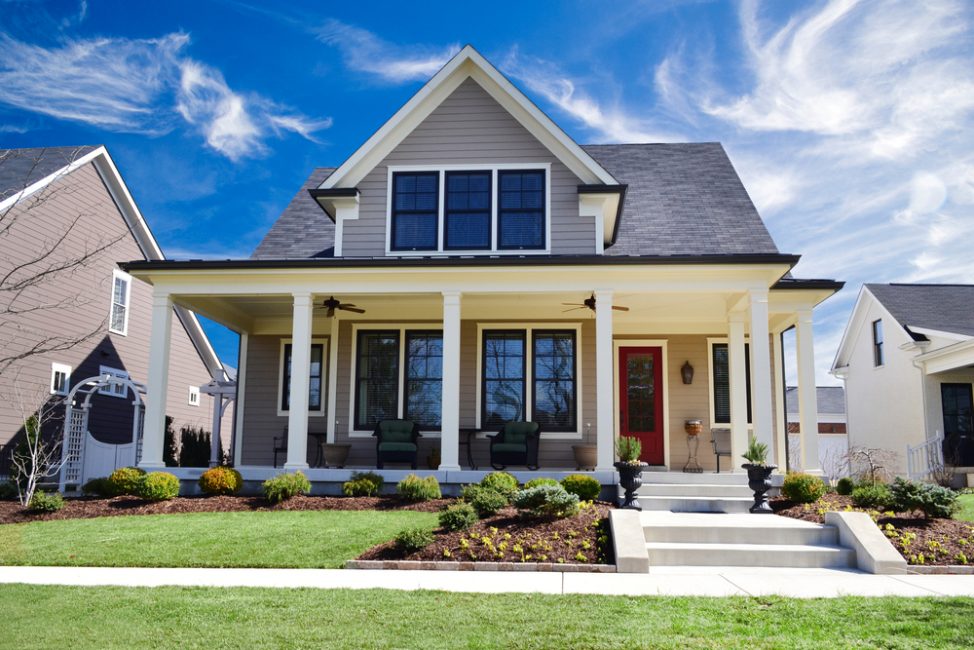
In the digital age, finding your dream home is just a few clicks away. With numerous online resources and apps, you can explore neighborhoods, set alerts for new listings, and even attend virtual open houses.
These tools can streamline your home search, making it easier than ever to find properties that fit your needs and budget.
Using Online Resources and Apps Effectively
Online platforms like Zillow, Realtor.com, and Trulia are treasure troves for house hunters. They offer detailed listings, complete with photos, virtual tours, and neighborhood insights. Download their apps to have access on the go, and filter your search based on your specific criteria such as price range, number of bedrooms, and preferred location.
To stay ahead, configure alerts for new listings that match your criteria. This ensures you’re among the first to know when new homes hit the market, giving you a competitive edge.
Setting Up Alerts for New Listings
Stay informed and never miss out on a potential home by setting up alerts. Most real estate apps and websites allow you to configure notifications for new listings. Here’s how to get started:
- Create a user account on your preferred real estate platform.
- Set your search criteria, including location, price range, and home features.
- Enable notifications or email alerts to receive updates as soon as new homes are listed.
By having these alerts in place, you’ll be able to move quickly on a listing that piques your interest.
Tips for Attending Open Houses
Open houses are your opportunity to explore the property firsthand and envision it as your future home. Here are some tips to make the most out of your visit:
- Arrive early to take your time exploring each room.
- Observe the neighborhood for amenities and potential noise levels.
- Look beyond superficial details; check for signs of maintenance issues like leaks or drafts.
- Bring a notebook to jot down your thoughts and questions.
Remember, open houses are not just about seeing the home but also understanding the lifestyle it offers.
Questions to Ask Real Estate Agents
When viewing homes, having a list of questions ready can make your search more productive. Consider asking:
| Question | Purpose |
|---|---|
| Why is the owner selling? | To understand the seller’s motivation and timeline. |
| How long has the property been on the market? | To gauge interest and possible negotiation room. |
| What are the neighborhood demographics? | To determine if the area suits your lifestyle. |
| Are there any offers on the table? | To know how competitive the bidding process might be. |
“Asking the right questions can uncover hidden gems or potential deal-breakers.”
Being prepared will empower you to make informed decisions.
The Role of Real Estate Agents
Searching for your dream home can be an overwhelming experience, but partnering with a real estate agent can transform this daunting task into a delightful journey. Let’s explore how these professionals can be your guiding light.
Real estate agents bring a wealth of experience and market knowledge to the table. Their expertise spans understanding local markets, navigating complex paperwork, and negotiating deals to ensure you get the best value for your investment.
Benefits of Working with a Real Estate Agent
Working with a real estate agent can save you time, money, and stress. These professionals have an extensive network that gives them access to listings even before they hit the market. They’ll handle negotiations, making sure your best interests are represented. Plus, they’re skilled at spotting potential issues with properties that you might overlook.
Qualities to Look for in a Real Estate Agent
Choosing the right real estate agent can make all the difference in your home-buying experience. Look for someone with:
- Experience: A seasoned agent can navigate the market with ease.
- Local Knowledge: Understanding the neighborhood helps in finding the perfect home.
- Communication Skills: Clear and constant communication is key to a smooth process.
- Negotiation Skills: A skilled negotiator can save you thousands.
The Negotiation Process with Real Estate Agents
Negotiating a house price is both an art and a science, and real estate agents excel in this arena. They will:
- Analyze comparable sales to determine a fair offer.
- Strategically present and counter offers.
- Advise on contingencies and contracts to protect your interests.
Agents are your advocates, ensuring that you receive the maximum value for your budget. Their expertise in negotiation can be a game-changer, giving you confidence and peace of mind.
How Agents Assist with Closing the Deal
When it’s time to close the deal, real estate agents become even more valuable. They coordinate with lawyers, inspectors, and mortgage brokers, ensuring all paperwork and legalities are in order. Agents are adept at solving last-minute hiccups, ensuring a seamless transition from offer to ownership.
“A skilled agent doesn’t just find your home; they hand you the keys to your future.”
Final Summary
Your dream home is not just a place—it’s a feeling, a future, and a foundation for countless memories. As you embark on this quest, remember that every step brings you closer to that special place you’ll soon call home. With the right tools, guidance, and a sprinkle of determination, you’re well on your way to unlocking the door to your new abode. Here’s to the beginning of an exciting chapter and the joy of finding your dream home today!

